Need TV Repair Services in Nairobi?
Certified technicians dispatched to you — same day.
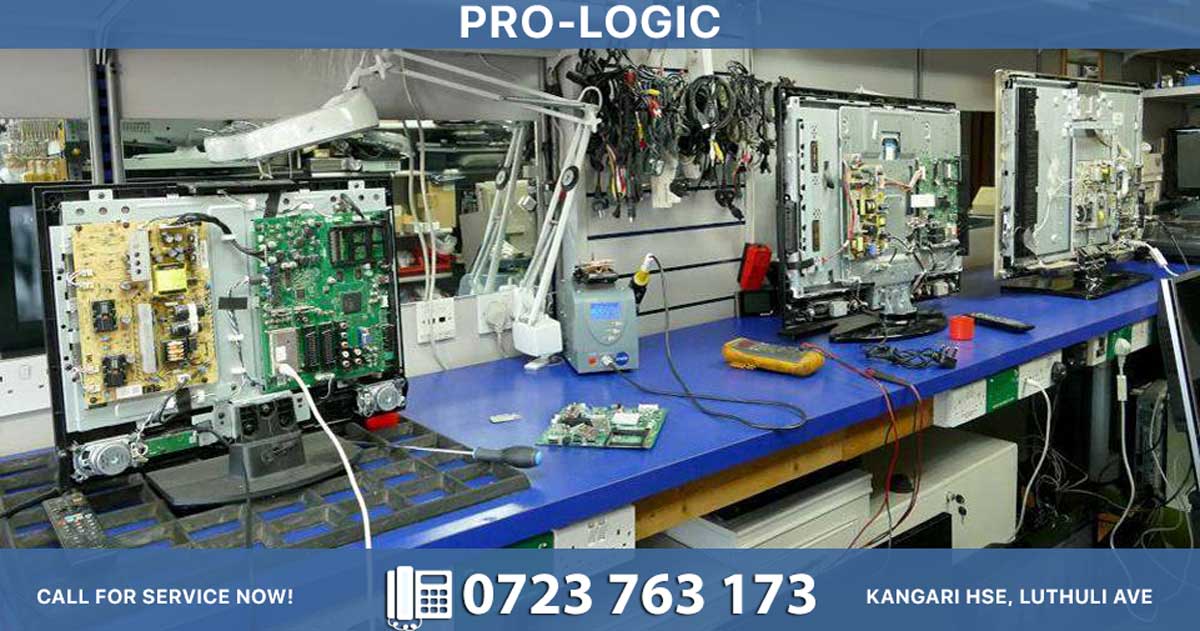
Televisions have become an essential part of households, businesses, and public spaces in Kano, as they have in much of the world. Whether for entertainment, information, or advertising, the demand for functional televisions remains high. However, like all electronic devices, televisions are prone to wear and tear, and their components can fail over time. When this happens, understanding the costs of television spare parts in Kano becomes crucial for consumers, technicians, and business owners alike.
This article explores the various factors influencing the costs of television spare parts in Kano, the types of parts commonly needed, and where to source them. It also provides insights into the market dynamics that affect pricing, helping readers make informed decisions when repairing or maintaining their televisions.
Factors Influencing the Cost of Television Spare Parts
The cost of television spare parts in Kano is influenced by several factors. Understanding these factors can help consumers and repair technicians anticipate expenses and make cost-effective choices.
Brand and Model of the Television
The brand and model of a television significantly impact the cost of its spare parts. Internationally recognized brands such as Samsung, LG, Sony, and Panasonic often have higher-priced parts due to their reputation for quality and the proprietary nature of their components. For instance, a replacement screen for a high-end Samsung QLED television will be more expensive than a screen for a generic or lesser-known brand.
Additionally, newer models with advanced features such as OLED, 4K, or smart capabilities tend to have more expensive parts. This is because these televisions incorporate cutting-edge technology, and their components are often more complex and harder to source.
Type of Spare Part
The type of spare part required also plays a major role in determining the cost. Some of the most commonly replaced television parts include:
-
Screens (LCD, LED, OLED, QLED): The screen is often the most expensive part of a television to replace. The cost varies widely depending on the size, resolution, and technology. For example, an OLED screen will be significantly more expensive than a standard LCD screen of the same size.
-
Power Supply Boards: These are critical components that regulate the power going into the television. A faulty power supply board can cause the television to fail to turn on or exhibit erratic behavior. The cost of replacing this part depends on the television's brand and model.
-
Main Boards (Motherboards): The main board is essentially the brain of the television, controlling all its functions. Replacing a main board can be costly, especially for smart televisions with advanced processing capabilities.
-
T-Con Boards: The timing control (T-Con) board is responsible for managing the signals sent to the screen. Issues with this board can result in display problems such as lines, flickering, or no image at all.
-
Backlight Components: For LED and LCD televisions, backlight components such as LED strips or CCFL lamps are essential for illuminating the screen. Replacing these parts can vary in cost depending on the size and type of television.
-
Speakers and Audio Components: While generally less expensive than screens or boards, replacing speakers or audio components can still add up, especially for high-end sound systems integrated into premium televisions.
-
Remote Controls and Buttons: These are among the least expensive parts to replace but are still necessary for the full functionality of the television.
Availability and Demand
The availability of spare parts in Kano also affects their cost. Parts that are in high demand or difficult to source may come with a premium price. For example, spare parts for newer television models may not be readily available in local markets, requiring importation from other cities or countries. This can drive up costs due to shipping fees, import duties, and the time required to obtain the part.
Conversely, parts for older or more common television models may be more affordable and easier to find, as they are often stocked by local suppliers and repair shops.
Quality of the Spare Part
The quality of the spare part is another critical factor. Original Equipment Manufacturer (OEM) parts are designed and produced by the television's manufacturer and are guaranteed to be compatible with the specific model. These parts are typically more expensive but offer the best performance and longevity.
On the other hand, aftermarket or third-party parts are produced by other manufacturers and may vary in quality. While these parts are often cheaper, they may not always match the performance or durability of OEM parts. In some cases, using low-quality aftermarket parts can lead to further damage to the television, resulting in higher long-term costs.
Labor Costs
While this article focuses on the cost of spare parts, it is worth noting that labor costs for television repairs in Kano can also vary. Technicians with specialized skills or certifications may charge higher fees for their services. Additionally, the complexity of the repair can influence labor costs. For example, replacing a screen requires more time and expertise than replacing a remote control, and this will be reflected in the overall repair cost.
Common Television Spare Parts and Their Cost Ranges in Kano
Below is a general overview of the cost ranges for common television spare parts in Kano. These ranges are approximate and can vary based on the factors discussed above.
Screens
-
LCD Screens: The cost of replacing an LCD screen depends on the size and resolution. For a 32-inch LCD screen, prices can range from 20,000 to 50,000 Naira. For larger screens, such as 55-inch or 65-inch models, the cost can range from 80,000 to 200,000 Naira or more.
-
LED Screens: LED screens are generally more expensive than LCD screens due to their superior brightness and energy efficiency. A 40-inch LED screen may cost between 40,000 and 100,000 Naira, while larger sizes can exceed 200,000 Naira.
-
OLED Screens: OLED screens are among the most expensive to replace due to their advanced technology and superior image quality. A 55-inch OLED screen can cost between 300,000 and 600,000 Naira or more.
Power Supply Boards
Power supply boards are critical components, and their replacement costs can vary widely. For basic models, a power supply board may cost between 5,000 and 15,000 Naira. For high-end models, the cost can range from 20,000 to 50,000 Naira or more.
Main Boards (Motherboards)
The cost of replacing a main board depends on the television's brand and model. For standard televisions, a main board may cost between 15,000 and 40,000 Naira. For smart televisions or premium models, the cost can range from 50,000 to 100,000 Naira or higher.
T-Con Boards
T-Con boards are generally less expensive than main boards or power supply boards. The cost of replacing a T-Con board typically ranges from 8,000 to 25,000 Naira, depending on the television's size and model.
Backlight Components
For LED televisions, replacing LED strips can cost between 5,000 and 20,000 Naira, depending on the size of the television and the number of strips required. For LCD televisions with CCFL backlights, the cost of replacing the lamps can range from 3,000 to 10,000 Naira.
Speakers and Audio Components
Replacing speakers or audio components is generally less expensive than replacing visual components. A single speaker may cost between 2,000 and 10,000 Naira, while a full audio system replacement can range from 15,000 to 40,000 Naira.
Remote Controls and Buttons
Replacing a remote control is one of the least expensive repairs. A universal remote control can cost as little as 1,000 to 3,000 Naira. Replacing individual buttons on the television itself may cost between 500 and 2,000 Naira per button.
Where to Source Television Spare Parts in Kano
Finding the right spare parts for television repairs in Kano can be a challenge, especially for newer or less common models. However, there are several places where consumers and technicians can source the parts they need.
Local Electronics Markets
Kano is home to several electronics markets where spare parts for televisions and other devices can be found. Markets such as Kurmi Market and Sabon Gari Market are well-known for their wide range of electronic components. These markets often have vendors who specialize in television spare parts, and they can be a good starting point for finding both OEM and aftermarket components.
Authorized Dealers and Service Centers
For those looking for OEM parts, authorized dealers and service centers for specific television brands are the best option. These dealers typically stock genuine parts and can provide warranties or guarantees on their products. Some well-known brands have service centers in Kano where customers can purchase spare parts directly.
Online Marketplaces
Online marketplaces have become increasingly popular for sourcing television spare parts. Websites such as Jumia, Konga, and even international platforms like AliExpress and eBay offer a wide range of spare parts that can be delivered to Kano. While online shopping offers convenience and access to a broader selection of parts, it is essential to verify the seller's reputation and the quality of the parts before making a purchase.
Repair Shops
Local repair shops often have a stock of commonly used spare parts, and they may be able to source specific parts upon request. Building a relationship with a trusted repair shop can be beneficial, as they may offer discounts or priority access to parts.
Importing Parts
For parts that are not available locally, importing may be the only option. This can be done through international suppliers or by ordering directly from the manufacturer. However, importing parts can be expensive due to shipping costs, import duties, and potential delays. It is also important to ensure that imported parts are compatible with the television model and meet local safety and quality standards.
Tips for Reducing the Cost of Television Repairs
Repairing a television can be a significant expense, but there are several strategies that consumers and technicians can use to reduce costs without compromising on quality.
Diagnose the Problem Accurately
Before purchasing any spare parts, it is crucial to diagnose the problem accurately. Misdiagnosing an issue can lead to unnecessary purchases and wasted money. If you are unsure about the cause of the problem, consult a professional technician who can provide an accurate assessment.
Compare Prices
Prices for television spare parts can vary significantly between different suppliers. Take the time to compare prices from multiple sources, including local markets, authorized dealers, and online marketplaces. This can help you find the best deal without sacrificing quality.
Consider Aftermarket Parts
While OEM parts are often the best choice, aftermarket parts can be a cost-effective alternative for older or less critical components. However, it is essential to research the quality and compatibility of aftermarket parts before making a purchase.
Buy in Bulk
For technicians or business owners who frequently repair televisions, buying spare parts in bulk can lead to significant savings. Many suppliers offer discounts for bulk purchases, which can reduce the overall cost per part.
Maintain Your Television
Preventative maintenance can help extend the lifespan of your television and reduce the need for costly repairs. Regularly clean the screen and vents to prevent dust buildup, which can cause overheating and damage to internal components. Additionally, avoid exposing the television to extreme temperatures or humidity, as these can also lead to premature failure.
Learn Basic Repairs
For those with a technical inclination, learning basic television repair skills can save money on labor costs. There are numerous online resources, including tutorials and forums, where you can learn how to diagnose and fix common television issues. However, it is important to exercise caution and ensure that you have the necessary tools and knowledge before attempting any repairs.
The Future of Television Spare Parts in Kano
The market for television spare parts in Kano is evolving, driven by advancements in technology and changes in consumer behavior. As televisions become more advanced, with features such as 8K resolution, AI integration, and smart capabilities, the demand for high-quality spare parts is likely to increase. Additionally, the growing popularity of online shopping and the expansion of e-commerce platforms are making it easier for consumers to access a wider range of parts at competitive prices.
However, the market also faces challenges, such as the increasing cost of OEM parts and the proliferation of low-quality aftermarket components. To navigate these challenges, consumers and technicians must stay informed about the latest developments in television technology and spare parts availability.
The cost of television spare parts in Kano is influenced by a variety of factors, including the brand and model of the television, the type of part required, and the availability and quality of the part. While repairing a television can be a significant expense, understanding these factors and knowing where to source parts can help consumers and technicians make cost-effective decisions.
By diagnosing problems accurately, comparing prices, and considering aftermarket parts where appropriate, it is possible to reduce the overall cost of television repairs without compromising on quality. Additionally, preventative maintenance and learning basic repair skills can help extend the lifespan of televisions and minimize the need for costly repairs.
As the market for television spare parts in Kano continues to evolve, staying informed and adaptable will be key to navigating the challenges and opportunities that lie ahead. Whether you are a consumer looking to repair a beloved television or a technician serving the community, understanding the costs and dynamics of spare parts is essential for making informed and economical choices.