Need TV Repair Services in Nairobi?
Certified technicians dispatched to you — same day.
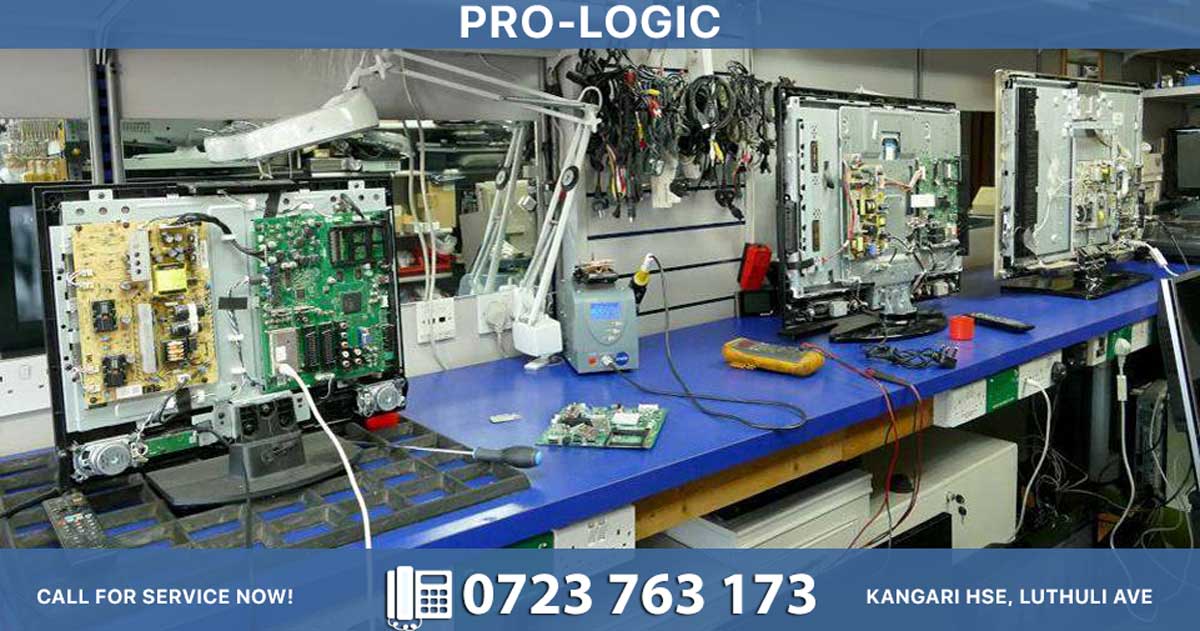
Diagnosing common power supply problems in modern LED TVs starts with a simple check: confirm the outlet works, inspect the power cord, and look for a standby light. If those basics pass, the fault is often inside the power supply board, where bad capacitors, blown fuses, or failed switching components are common causes.
Common symptoms
-
TV shows no power at all, with no standby light.
-
TV clicks, blinks, or turns on and off repeatedly.
-
Picture or backlight comes and goes, or the screen flickers.
-
Settings reset unexpectedly or the TV fails to save preferences.
-
Burnt smell, discoloration, or visible damage near the power input.
First checks
Start with the wall socket, power strip, and cord before opening the TV. Plug another device into the same outlet to confirm power is present, then bypass the surge protector if one is being used. A damaged cord, loose connector, or faulty remote can also make a healthy TV seem dead.
Inside the TV
If the external checks are fine, the next likely suspect is the power supply board. Common visual signs include bulging or leaking capacitors, burn marks, blackened components, or blown fuses. In many LED TVs, capacitor failure is one of the most common board-level issues.
Voltage clues
A useful diagnostic step is checking whether the standby voltage is present on the power board. If standby power is missing, the problem is likely on the primary side of the supply, such as the fuse, rectifier, startup circuit, or controller IC. If standby power is present but the main rails do not come up, the fault may be in the main board or a protection-triggering short.
When power supply is likely
The power supply is more likely at fault when the TV has no standby light, shuts off randomly, clicks without starting, or shows unstable voltage output. If the TV responds sometimes but not consistently, that also points to failing capacitors or regulation problems. These faults often worsen over time rather than fixing themselves.
Safety note
TV power boards can hold dangerous charge even after unplugging, so internal testing should be done carefully. If you are not comfortable using a meter or working around high-voltage parts, professional service is the safer option.