Need TV Repair Services in Nairobi?
Certified technicians dispatched to you — same day.
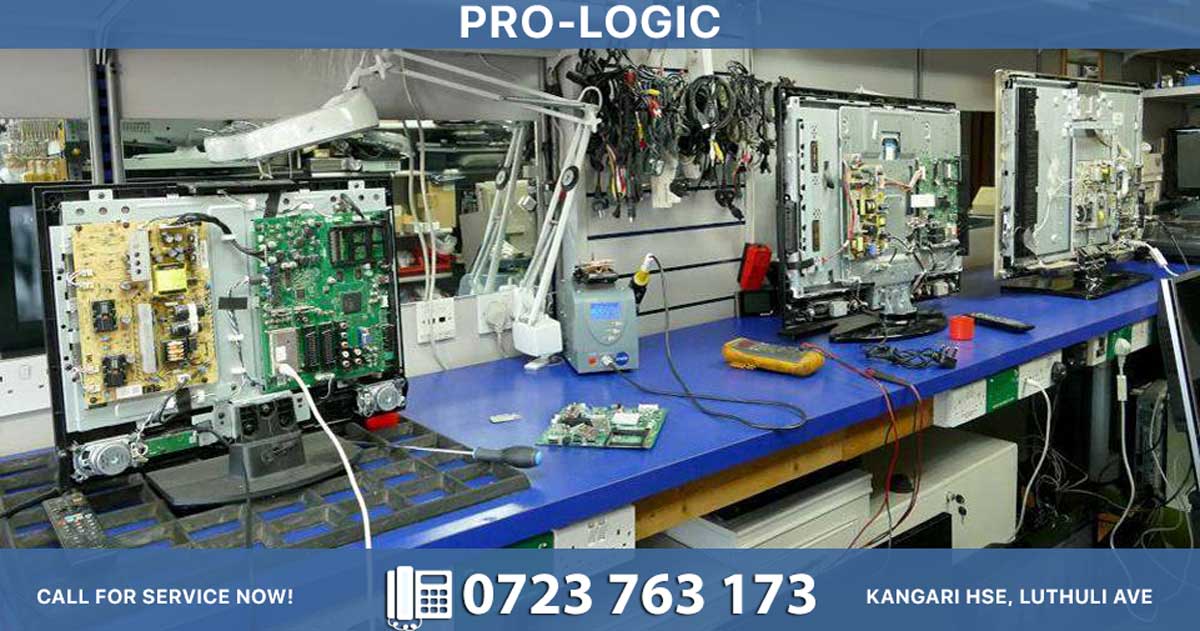
Freezers are critical appliances in both homes and businesses, preserving food, medicines, and stock for long periods. When a freezer develops a fault, it can quickly lead to spoilage, energy waste, and costly replacements if not addressed early. ProLogic Technologies offers comprehensive freezer repair services across all brands and models, covering everything from temperature issues and ice buildup to noisy compressors, water leaks, and electrical failures. This guide walks you through the most common freezer faults, what they usually mean, and how a professional service like ProLogic Technologies can restore your unit safely and efficiently.
Typical signs your freezer needs repair
Before any technical diagnosis, you can usually spot a failing freezer by its behaviour. Common red‑flags include:
-
The freezer is not cooling enough, or food is thawing.
-
The interior is far too cold, with heavy frost or ice buildup on walls and pipes.
-
The machine runs constantly, makes loud buzzing, rattling, or humming noises, or cycles on and off abnormally.
-
There is water or ice on the floor around the freezer, or pools inside.
-
The door does not seal properly, feels warm around the edges, or the light stays off.
Ignoring these symptoms can accelerate compressor wear, increase electricity bills, and shorten the life of the freezer. ProLogic Technologies’ technicians are trained to spot these patterns quickly and fix them at the component level rather than just treating the symptom.
Faults related to cooling and temperature control
Poor cooling is one of the most frequent reasons customers call for freezer repair. Possible causes include:
-
Dirty condenser coils or blocked airflow, which force the compressor to work harder and overheat.
-
A failed evaporator fan or blocked air vents between the freezer and fridge compartments.
-
A faulty thermostat or temperature control board that short‑cycles the compressor or sets the wrong temperature.
-
Refrigerant leaks or low charge, which reduce cooling capacity and may require evacuation, leak‑testing, and re‑charging.
In such cases, ProLogic repairs involve cleaning the condensing system, checking fans and vents, testing and replacing the thermostat, and, where needed, handling refrigerant with certified tools and safety procedures. This restores stable temperatures and prevents food spoilage.
Ice buildup, frost, and defrost system faults
Excessive frost or ice on the evaporator coils and inside the cabinet is often a sign of a defrost‑system problem or a compromised door seal. Typical issues include:
-
A clogged or frozen defrost drain that causes water to back up and freeze on the floor or walls.
-
A failed defrost heater or defrost timer/thermostat that prevents automatic defrost cycles.
-
Warm air entering due to a damaged or warped door gasket, causing moisture to condense and freeze repeatedly.
ProLogic technicians typically clear the defrost drain, inspect and test the defrost heater and timer, and replace any faulty components. They also check and replace door seals if cracked or loose, ensuring the freezer maintains a tight seal and reduces unnecessary ice formation.
Water leaks and drainage problems
Water on the floor around the freezer is usually linked to defrost‑drain or seal issues rather than a “plumbing” fault per se. Common causes are:
-
A blocked defrost drain tube, often filled with ice or food debris.
-
A cracked or misaligned drain pan that allows melted ice to spill instead of running to the tray under the unit.
-
A door left ajar or a weak gasket, allowing warm air to melt frost and create extra water.
During a ProLogic repair visit, now‑standard work includes flushing the drain with hot water, checking the condition of the drain pan and tray, and correcting alignment. If the drain pan is cracked, it is replaced with a compatible part. This reduces mess, prevents mould growth, and protects flooring.
Door seals, body alignment, and airflow
A poorly sealed door can mimic almost every other major fault: higher energy use, ice buildup, poor cooling, and even premature compressor failure. Typical problems include:
-
Worn, cracked, or misaligned door gaskets that let warm, moist air into the freezer.
-
Hinges or door hinges that have loosened or warped, preventing the door from closing flush.
-
Overloading the freezer so that shelves or packages keep the door from sealing fully.
ProLogic technicians inspect the gasket for cracks, test the seal with the “paper test,” and replace the gasket if needed. They also tighten or adjust hinges and advise the customer on proper loading to avoid blocking airflow and vents. Correcting these issues dramatically improves efficiency and reduces the load on the compressor.
Noisy or failing compressors and motors
A healthy freezer should run quietly; loud buzzing, rattling, humming, or knocking sounds often indicate a problem with the compressor or fans:
-
A failing compressor may struggle to start, overheat, or trip thermal protection.
-
Frozen, unbalanced, or worn evaporator or condenser fans can create grinding or vibrating noises.
-
Loose mounts or refrigerant lines can “drum” against the cabinet, amplifying normal operating sounds.
ProLogic engineers test motor voltages, check for seized or noisy bearings, and inspect compressor start‑components such as the relay and capacitor. Where repair is not viable, they advise on safe replacement or whether the unit’s age and usage make a full replacement more economical.
Electrical, control, and power‑related faults
Sometimes the freezer appears to be “dead” or intermittent, but the root cause is electrical rather than mechanical:
-
A blown fuse, tripped circuit breaker, or loose power cord can cut supply to the unit.
-
Faulty internal relays, control boards, or thermostat circuits can disrupt the compressor and fan operation.
-
Burnt‑out interior lights or door‑switch assemblies may cut the light or alarm function even though cooling continues.
ProLogic’s electricians use meters and continuity checks to trace faults, replace damaged relays or boards, and ensure the freezer is properly grounded and connected to a stable power source. This minimizes the risk of electric shock, fire hazards, and unexpected shutdowns.
Strange smells, mould, and hygiene issues
A freezer that smells musty or foul is usually a sign of trapped moisture, mould, or old spills behind or under components:
-
A clogged drain or pan that retains standing water can encourage bacterial growth.
-
Old packaging, spills, or food leaks inside the cabinet can decompose and create odours.
-
Insufficient cleaning and poor door seals allow moisture to circulate and condense in hidden areas.
During a ProLogic service visit, the cabinet is de‑frozen, cleaned thoroughly, and the drain system is flushed. The technician also advises on regular cleaning schedules and how to store food to minimise spills, improving both hygiene and cooling performance.