Need TV Repair Services in Nairobi?
Certified technicians dispatched to you — same day.
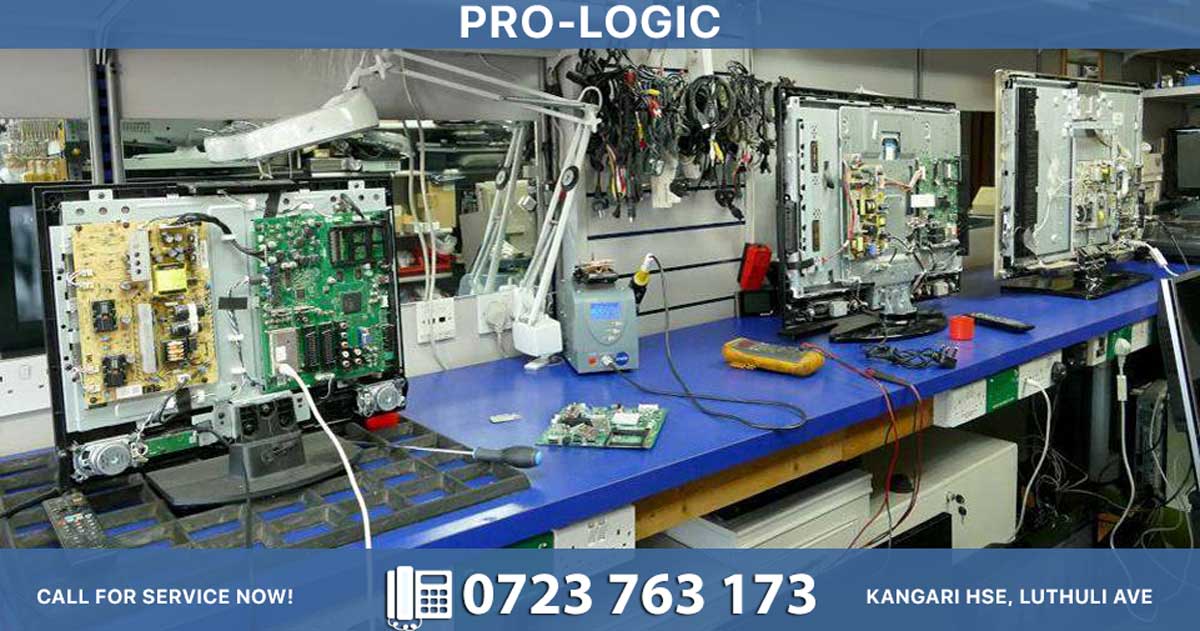
In Kano, you can find dozens of people “fixing TVs,” but only a fraction use proper diagnostics, genuine‑grade parts, and clear pricing. A reputable TV repair technician will save you time, avoid unnecessary panel replacements, and protect your Samsung, LG, TCL, Hisense, and other sets from further damage. Here is how to spot one confidently.
1. Check for verifiable experience and specialisation
A reputable technician usually:
-
Focuses on TVs and electronics, not just “general handyman” work.
-
Can list brands and models they commonly repair (Samsung, LG, TCL, Hisense, Tecno/Infinix, etc.).
-
Has visible references such as a workshop signboard, Facebook page, local directory listing, or marketplace profile with reviews.
Red flags:
-
Someone who cannot name the board types they work on (power board, main board, T‑CON, backlight).
-
No clear business name or address; only a phone number and vague “WhatsApp service” description.
2. Look for clear communication and diagnostics
A professional TV repair technician will:
-
Ask detailed questions about the fault:
-
Does it power on?
-
Is there sound but no picture?
-
Are there lines, black bars, or a cracked screen?
-
-
Offer a diagnostic step before quoting a fixed price, not an instant “panel replacement” answer.
-
Use simple language to explain the fault (e.g., “power‑board fault” not “machine quench”).
If they insist on panel replacement right away without showing evidence, it is usually a sign of a technician trying to upsell the most expensive option rather than diagnosing correctly.
3. Ask for pricing transparency and written quote
A reputable shop in Kano will:
-
Break repair cost into parts and labour (e.g., backlight LED strip + labour).
-
Quote a reasonable range for common faults such as power issues, backlight, or board repairs, instead of giving open‑ended or extremely low figures.
-
Tell you if the diagnostic fee is deductible if you proceed with the repair.
Warning signs:
-
No price breakdown; only “I’ll tell you when it’s done.”
-
A quote that seems too good to be true (e.g., “panel replacement for ₦15,000” on a 43‑inch TV), which may indicate low‑quality parts or future add‑ons.
4. Check warranties and after‑service support
A trustworthy technician typically offers:
-
Written warranty on repaired parts (e.g., 30–90 days on power‑board, backlight, or board repairs).
-
A clear return‑policy if the same fault returns quickly.
-
A recognisable workshop or service address in Kano, not only a private residential number.
If the technician excuses no warranty by saying “TVs are too sensitive,” that is a red flag. Most common TV faults (power board, backlight, T‑CON) can carry a reasonable warranty when done correctly.
5. Look for tools, workspace, and spares
A reputable technician’s setup will show:
-
Basic tools: multimeter, soldering station, ESD‑safe mat, and proper benching for TV boards.
-
Stock of spare parts such as capacitors, fuses, LED strips, and common boards, instead of ordering everything from scratch each time.
-
CLEAR organisation in the workshop (not just a pile of torn TVs in a corner).
If the shop looks like a junkyard with no visible tools or test equipment, it likely means components are swapped randomly without proper testing.
6. Check online presence and reviews
Before handing over your TV, check:
-
Facebook pages, groups, or local‑service platforms for reviews or complaints.
-
Whether the technician appears on trusted local directories or verified platforms that vet TV repair experts.
If you see multiple posts from customers saying “fixed same‑day,” “no overcharge,” or “gave me warranty,” it strongly suggests reliability. Conversely, repeated complaints about “left TV for weeks” or “charged more than quoted” are warning signs.
7. Avoid “too‑cheap” or “panel‑only” pushers
A reputable technician will:
-
Recommend repairing where possible (capacitors, fuses, LEDs, T‑CON) instead of jumping straight to panel replacement, which is often the most expensive option.
-
Tell you when replacement is more sensible than repair (e.g., old TV whose panel cost is 60–80% of a new set).
If every conversation steers you toward a panel change, ask why they cannot first test the backlight, T‑CON, or board. A technician who refuses to explain or belittles your questions is unlikely to be reputable.
8. Ask for before‑and‑during‑repair photos or explanations
Modern customers in Kano increasingly expect transparency:
-
A trustworthy technician can show you burnt capacitors, cracked traces, or damaged LEDs on the board or backlight strip.
-
On Smart TV repairs, they should explain that they may re‑flash firmware or update software and not just “magic‑fix” the problem.
If they refuse to show or explain the fault, treat that as a red flag and seek a second opinion.
9. Check response time and professionalism
A reputable technician will:
-
Offer a realistic turnaround (e.g., 1–5 working days) instead of vague promises like “tomorrow” without clear constraints.
-
Keep you informed if there are delays or part‑availability issues.
-
Speak politely, answer questions clearly, and avoid heavy pressure or threats about “your TV will die if you don’t agree now.”
If you feel rushed, intimidated, or left in the dark after dropping your TV, that is rarely a sign of a trustworthy technician.
10. Use local directories and word‑of‑mouth
To speed up your search in Kano:
-
Ask neighbours, landlords, and office managers which TV repair shops they use.
-
Check local service platforms or verified technician directories that list TV‑repair experts with profiles and contact details.
Word‑of‑mouth from people who have had Samsung, LG, or TCL screens repaired is often more reliable than a flashy poster or social‑media ad promising “best in town.”
By watching for these signs—clear communication, itemised pricing, proper tools, warranties, and a solid online or local reputation—you can quickly identify a reputable TV repair technician in Kano who can handle your TV’s fault without over‑charging or damaging your set further.