Need TV Repair Services in Nairobi?
Certified technicians dispatched to you — same day.
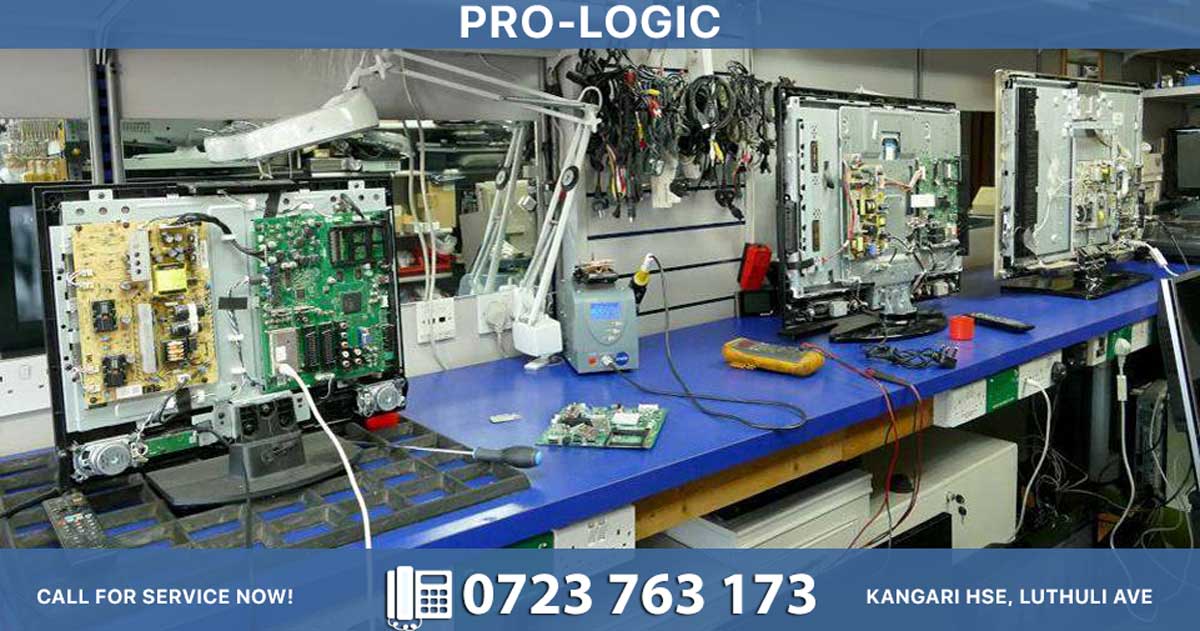
Identifying whether a TV spare part is genuine OEM (Original Equipment Manufacturer) or generic/aftermarket is critical to avoiding poor performance, safety hazards, and costly repeat repairs. Here's a comprehensive guide to help you spot the difference.
1. Check the Packaging
✅ Genuine OEM Parts:
-
Come in branded packaging with the TV manufacturer's logo (e.g., Samsung, LG, Sony)
-
Feature high-quality printing with clear text and sharp logos
-
Include accurate part numbers that match the manufacturer's catalog
-
May have holographic stickers, serial numbers, or QR codes for verification
-
Often include warranty cards or documentation
Generic/Fake Parts:
-
Use generic or plain packaging without proper branding
-
Have misspellings, blurry logos, or inconsistent colors
-
May lack part numbers entirely, or show incorrect/non-standard numbers
-
Packaging feels flimsy or the part doesn't fit properly inside
-
No warranty or return policy
2. Verify the Part Number
✅ Genuine OEM Parts:
-
Have a specific, unique part number that can be cross-referenced with the manufacturer's official parts catalog
-
Part number matches the one on your original broken part (except for serial numbers)
-
The font type, size, and placement of the part number match the original exactly
-
Can be verified using the TV's model number or serial number
Generic/Fake Parts:
-
May have missing, incorrect, or non-standard part numbers
-
Part number doesn't match official manufacturer catalogs
-
Sellers avoid providing part numbers when asked
-
Font or formatting looks different from the original
3. Inspect Build Quality and Materials
✅ Genuine OEM Parts:
-
Made from high-quality materials manufactured to precise standards
-
Have a perfect fit and finish that matches the original component
-
Weight and density feel consistent with the original part
-
No visible defects, rough edges, or uneven surfaces
-
Components (capacitors, LEDs, chips) are properly branded and secured
Generic/Fake Parts:
-
Made from inferior materials with substandard manufacturing
-
May have visible defects, poor fit, or rough finish
-
Lighter weight or different smell (signs of cheaper materials)
-
Colors or materials look slightly "off" compared to the original
-
Loose components, uneven soldering, or cheap plastic housings
4. Compare Branding and Logos
✅ Genuine OEM Parts:
-
Display the exact manufacturer logo with correct spelling and design
-
Brand name spelled correctly (e.g., "Volkswagen," not "Volkswagon")
-
Logo placement and size match official parts
-
Certification marks indicating compliance with safety regulations
Generic/Fake Parts:
-
Use similar-but-not-exact names to fool customers
-
Logos may look blurred, distorted, or slightly different
-
Spelling or grammatical mistakes on packaging or the part itself
-
Lack certification marks or use fake ones
5. Check the Price
✅ Genuine OEM Parts:
-
Priced consistently with market rates (not suspiciously low)
-
Expect to pay 40–60% more than generic alternatives
-
Competitive pricing, but not "too good to be true"
Generic/Fake Parts:
-
Selling for 50–75% off MSRP or below wholesale cost
-
Price seems too good to be true — it probably is
-
Dirt cheap compared to reputable OEM sources
6. Verify the Seller
✅ Genuine OEM Parts:
-
Purchased from authorized dealers or official manufacturer stores
-
Reputable repair shops that specialize in OEM parts
-
Sellers provide clear photos of labels, casting marks, and original box
-
High seller ratings with reviews mentioning "fit perfectly" and "came in original packaging"
-
Offer warranty and return policies
Generic/Fake Parts:
-
Sold by unauthorized resellers, random online marketplaces
-
Sellers use blurry stock photos instead of clear shots of actual part
-
No compatibility charts or detailed product information
-
Avoid answering questions about part numbers or origin
-
Limited or no warranty (often just 30 days or none)
7. Physical Comparison with Original Part
Tips for Verification:
-
Carry your broken part to the shop and do a side-by-side visual comparison
-
Compare down to the font type of the part number — they should match exactly
-
Check serial numbers and model codes on the original and new part
-
Look at labels, casting marks, and connector shapes
-
Compare seller photos with official diagrams or catalog images
8. Look for Hidden Identifiers
✅ Signs of Genuine OEM:
-
QR codes that can be scanned to verify authenticity
-
Barcodes matching manufacturer records
-
Certification marks indicating compliance with safety standards
-
Original protective packaging (anti-static bags for circuit boards)
Signs of Generic/Fake:
-
No QR codes or barcodes
-
Fake or missing certification marks
-
Part hidden in plain packaging without protective materials
Quick Reference Checklist
| Checkpoint | Genuine OEM ✅ | Generic/Fake |
|---|---|---|
| Packaging | Branded, high-quality printing | Generic, blurry, misspellings |
| Part Number | Matches official catalog exactly | Missing, incorrect, or non-standard |
| Build Quality | Perfect fit, premium materials | Rough edges, inferior materials |
| Logo/Branding | Exact logo, correct spelling | Slightly off, spelling errors |
| Price | Market rate (40–60% higher) | 50–75% below MSRP |
| Seller | Authorized dealer, reputable shop | Random marketplace, unknown reseller |
| Warranty | Full manufacturer warranty | None or 30 days max |
| Photos | Clear shots of labels, actual part | Blurry stock photos only |
| Certification Marks | Present and valid | Missing or fake |
The Only Guaranteed Method
The only way to guarantee you're getting a genuine OEM TV part is to purchase directly from an authorized manufacturer dealership or official parts distributor. If you're not buying from an authorized source, there's no guarantee the part is genuine — no matter what the seller claims.
When in doubt, consult a professional TV repair technician in Nairobi who has experience identifying genuine parts and can verify authenticity before installation.