Need TV Repair Services in Nairobi?
Certified technicians dispatched to you — same day.
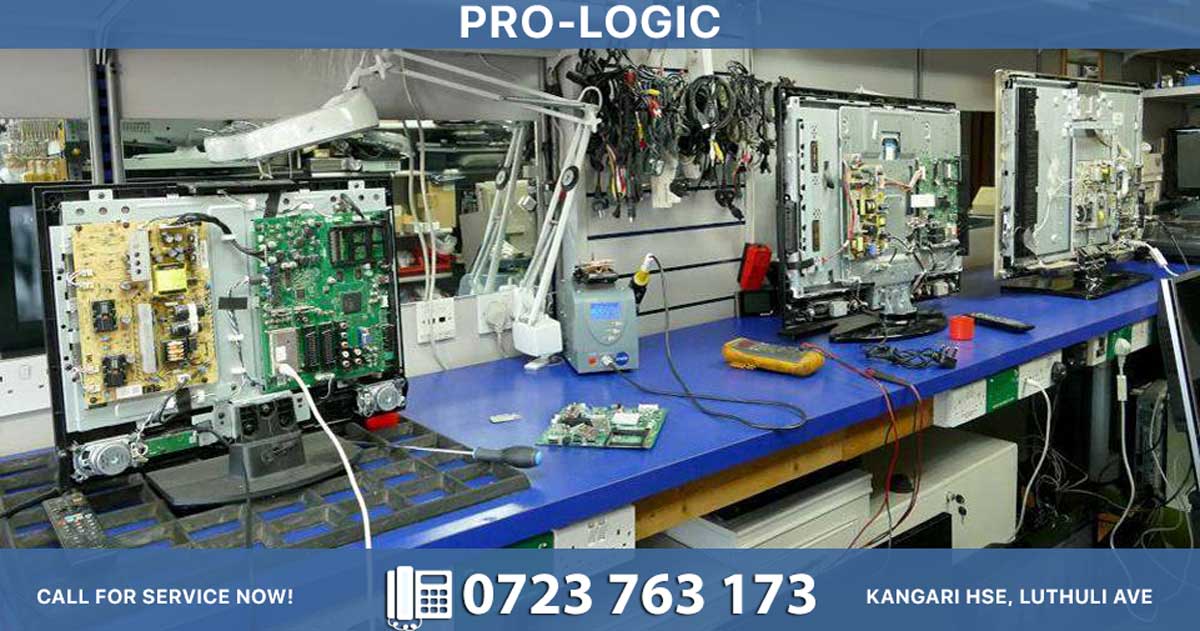
Flex pads are the connector receptacles on the motherboard that receive the ends of flex cables. When a flex pad is torn, corroded, or has lifted from the board due to impact, the connected component stops functioning even with a new flex cable. Flex pad repair is a micro-soldering task requiring skill and appropriate tools.
What You Will Need
-
Replacement flex connector receptacle (ZIF or non-ZIF, matching pin count and pitch)
-
Soldering iron with fine tip or hot air rework station
-
Flux and solder wick
-
Microscope or magnifier
-
Tweezers
-
Isopropyl alcohol and PCB brush
Step 1 — Confirm the Flex Pad is the Problem
If a new flex cable installed on a known-good component still does not produce function, inspect the motherboard connector under magnification. Lifted pads, bent connector housing walls, or corrosion inside the socket confirm a pad replacement is needed.
Step 2 — Remove the Damaged Connector
Apply flux to the connector pads, use a hot air station at 300–350°C to heat the connector evenly, then lift it free with tweezers. Clean the pads thoroughly with solder wick and isopropyl alcohol.
Step 3 — Prepare the Pad Site
Inspect the pads under magnification for any lifted or missing traces. Lifted traces can be re-adhered with epoxy; severed traces require jumper wire repair — an advanced micro-soldering skill.
Step 4 — Solder the New Connector
Apply a thin, even layer of fresh solder paste to the cleaned pads. Position the new connector precisely — misalignment by even half a millimetre causes pin bridging. Reflow with hot air and verify all pins are bonded before removing heat.
Step 5 — Test Under Load
Reassemble minimally, connect the flex cable, and power on to test. If function is restored, clean the board with IPA, reassemble fully, and seal.