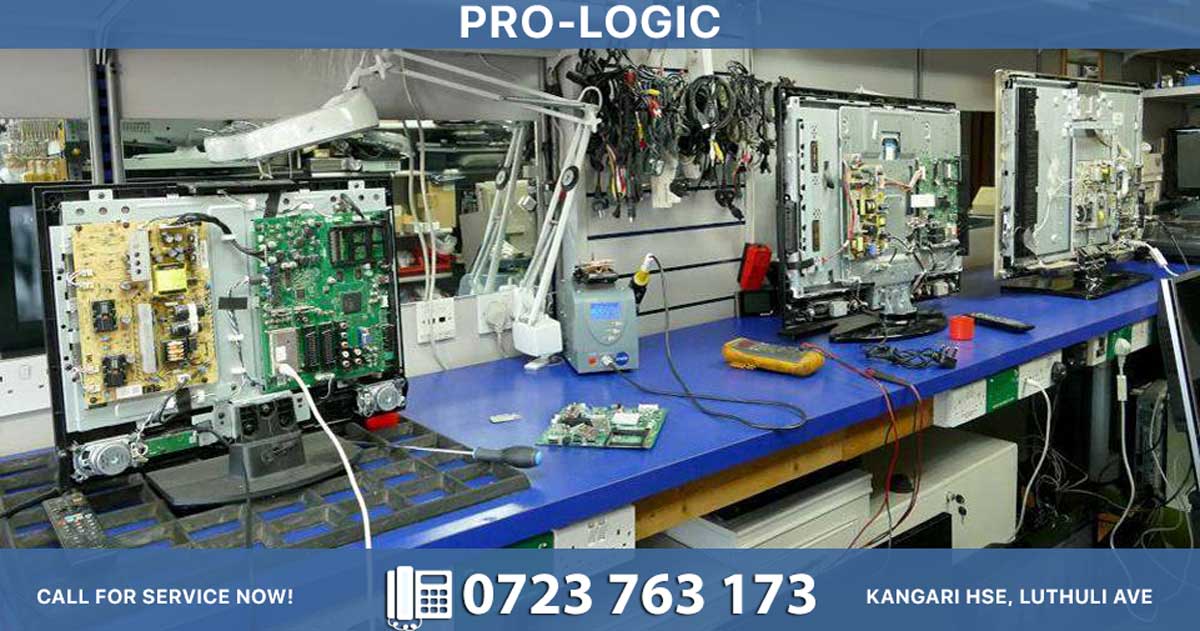
Need TV Repair Services in Nairobi?
Certified technicians dispatched to you — same day.
A cracked or dead LCD is one of the most common smartphone repairs. Whether your screen shows dark blotches, coloured lines, or displays nothing at all after a drop, replacing the LCD display can restore your phone to full working condition — often at a fraction of the cost of buying a new device. This guide walks you through the full replacement process safely and clearly.
What You Will Need
Before you begin, gather the following tools and materials:
- Replacement LCD assembly (screen + digitizer combo for your specific model)
- Plastic pry tools / spudger set
- Suction cup
- Phillips and Pentalobe screwdrivers (size varies by phone model)
- Tweezers
- Isopropyl alcohol (90% or higher) and lint-free cloth
- Heat gun or hairdryer
- Anti-static wrist strap (recommended)
Always buy an OEM-grade or high-quality aftermarket LCD matched exactly to your phone model. A wrong-fit screen leads to display calibration issues and a loose chassis.
Step 1 — Power Off and Prepare
Turn off the phone completely. Remove the SIM card tray. If your phone has a removable back cover, take it off and remove the battery. For sealed unibody phones, you will need to heat the edges before opening.
Put on your anti-static wrist strap to protect sensitive components from electrostatic discharge.
Step 2 — Open the Phone
Apply gentle heat around the phone's perimeter for 60–90 seconds to soften the adhesive holding the screen. Do not overheat — the glass should be warm, not hot to the touch.
Insert a suction cup onto the lower portion of the screen, pull upward slightly to create a gap, then slide a plastic pry tool into the gap. Work slowly around all four edges, releasing adhesive clips as you go. Avoid metal tools near the screen to prevent cracking the old glass further.
Step 3 — Disconnect the LCD Flex Cable
Once the screen assembly lifts free, locate the LCD and digitiser flex cable connectors on the motherboard. They are usually held by small metal brackets secured with 1–2 screws. Remove the screws, lift the bracket, then carefully disconnect each ribbon cable by pulling the connector straight up — never at an angle.
Step 4 — Transfer Components
Some phones require you to transfer the front camera, earpiece speaker, home button, or proximity sensor from the old screen to the new one. Use tweezers and work gently. These small parts are fragile and easy to lose.
Step 5 — Install the New LCD
Connect the new screen's flex cables in reverse order — press each connector down firmly until it clicks. Replace the bracket screws. Carefully lower the new screen into the chassis, pressing around the edges to seat the adhesive.
Power on the phone to test touch response, brightness, and colour accuracy before fully sealing the device.
Step 6 — Final Seal
If the screen works correctly, power off, apply fresh adhesive strips around the inner frame, and press the screen down firmly. Allow the adhesive to cure for 30 minutes before normal use.
Replacing a phone LCD is a straightforward repair when done patiently with the right tools. If you are unsure about any step — particularly on flagship models with complex internals — consider visiting a certified repair technician to avoid further damage.