Need TV Repair Services in Nairobi?
Certified technicians dispatched to you — same day.
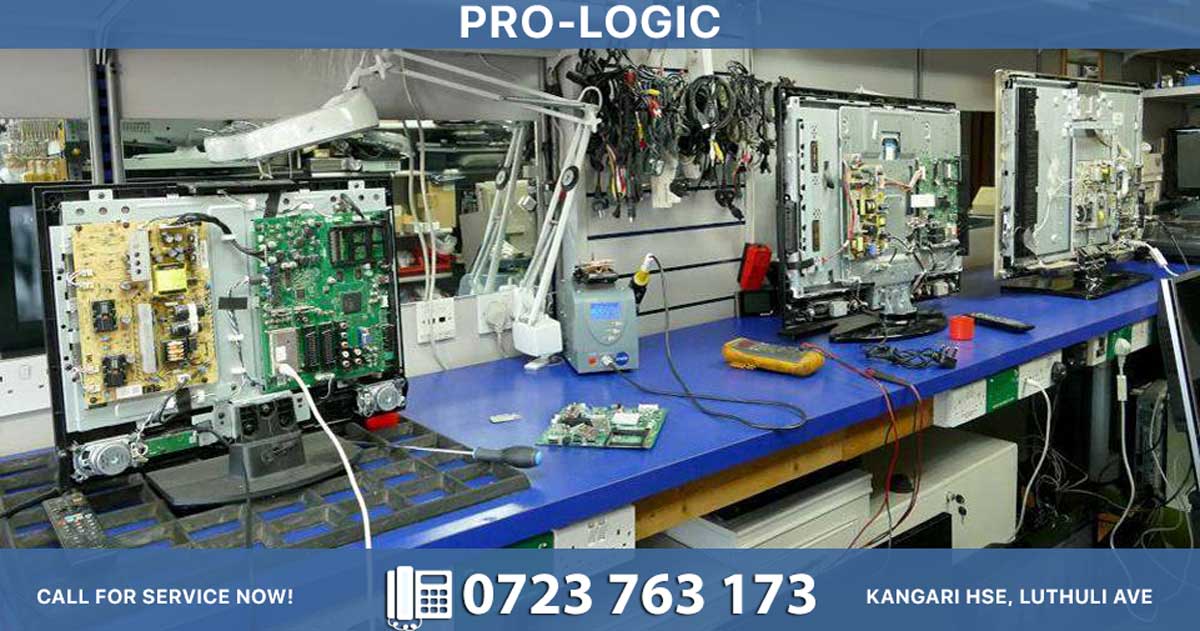
When your TV breaks down, one of the first decisions you face is whether to use original (OEM) spare parts or generic (aftermarket) alternatives. The price gap between these two options is significant, but the real question is whether the savings justify the potential risks. Understanding this trade-off is critical for anyone in Nairobi or anywhere else looking to repair their television without overspending or compromising quality.
The Typical Price Difference: Original vs. Generic TV Parts
Original TV spare parts—also known as OEM (Original Equipment Manufacturer) parts—are manufactured by the TV brand itself or an authorized supplier. Generic parts, on the other hand, are produced by third-party companies and marketed as compatible alternatives.
Price Comparison Breakdown
| TV Part Type | Original (OEM) Price Range | Generic (Aftermarket) Price Range | Price Difference |
|---|---|---|---|
| LED Backlight Strip | KES 3,000 – 8,000 | KES 1,200 – 4,000 | 40–60% cheaper |
| Power Supply Board | KES 4,500 – 12,000 | KES 1,800 – 6,000 | 50–60% cheaper |
| Mainboard (Motherboard) | KES 8,000 – 25,000 | KES 3,500 – 12,000 | 50–55% cheaper |
| T-Con Board | KES 2,500 – 6,000 | KES 1,000 – 3,000 | 50–60% cheaper |
| TV Panel (Screen) | KES 25,000 – 80,000+ | Rarely available | N/A |
| Remote Control | KES 1,500 – 3,500 | KES 500 – 1,500 | 50–60% cheaper |
Generic TV parts typically cost 40–60% less than original parts. In some cases, the savings can be even more dramatic. For instance, a diode that costs $2 from the original manufacturer might cost the same amount for 20 generic diodes from a third-party supplier. This massive price gap is what makes generic parts so tempting, especially for budget-conscious consumers in Nairobi.
Why Are Generic Parts So Much Cheaper?
Several factors contribute to the lower cost of generic TV spare parts:
| Factor | Original Parts | Generic Parts |
|---|---|---|
| Manufacturing Source | Brand-authorized factories | Third-party factories, often unregulated |
| Quality Control | Strict testing and certification | Minimal or inconsistent quality control |
| Materials Used | High-grade, durable components | Often cheaper metals/plastics |
| R&D Costs | Included in price | Reverse-engineered, no R&D investment |
| Warranty & Support | Full manufacturer warranty | Limited or no warranty |
| Brand Licensing | Licensed by TV manufacturer | No licensing, lower overhead |
Generic parts are often reverse-engineered rather than built to the manufacturer's exact specifications. This means corners are cut in materials, construction, and testing to reduce costs. For example, less durable plastics may replace steel components, or lower-quality LEDs may be used in backlight strips.
When Is It Worth Buying Generic TV Parts?
Generic parts aren't always a bad choice. In certain situations, they can be a cost-effective and practical solution.
Situations Where Generic Parts Make Sense
-
Older TV Models: If your TV is 5+ years old and near the end of its lifespan, investing in expensive original parts may not be worthwhile.
-
Non-Critical Components: For parts like remote controls, stands, or simple cables, generic versions usually work fine.
-
Budget Repairs: If you're on a tight budget and need a quick fix to extend the TV's life temporarily.
-
High-Volume Repair Businesses: Professional repair technicians often use generic parts for common components (like couplings or switches) to save $14+ per part, accumulating thousands in annual savings.
-
Simple Electronic Components: Resistors, diodes, and capacitors often work just as well when generic, with savings of up to 95% in some cases.
One repair technician noted saving over $4,200 annually by using generic alternatives for high-frequency parts like lid switches and couplings.
When Should You Avoid Generic Parts?
While generic parts can save money upfront, they can also lead to expensive long-term problems if used incorrectly.
Situations Where Original Parts Are Essential
| Risk Factor | Why Original Parts Matter |
|---|---|
| Critical Components | Mainboards, power supplies, and T-Con boards control the TV's core functions |
| Panel Damage Risk | Poor-quality backlight strips can overheat and destroy the entire panel |
| Safety Concerns | Inferior power supplies may cause overheating, electrical fires, or shocks |
| Voided Warranty | Using non-OEM parts may void any remaining manufacturer warranty |
| Repeated Failures | Generic parts often fail sooner, requiring multiple repairs and higher total costs |
| Performance Issues | Color accuracy, brightness, and response time may suffer with inferior components |
A real-world example: A customer replaced a burnt-out LED backlight with a duplicate part costing half the price. After just three months, the strip overheated and damaged the TV panel, resulting in a repair cost several times higher than the original backlight would have been.
The Hidden Costs of Cheap Generic Parts
The saying "you get what you pay for" holds true for TV spare parts. Here's what you might lose by choosing generic:
-
Shorter Lifespan: Generic parts often fail within months, requiring repeat repairs.
-
Additional Labor Costs: You may pay service charges multiple times for the same fault.
-
Transport Expenses: Repeated trips to the repair shop add up over time.
-
Total Loss of TV: In worst cases, a cheap part can cause irreversible damage to the entire television.
-
No Warranty Protection: Most generic parts come with no guarantee or very limited coverage.
How to Identify Genuine vs. Generic Parts
When shopping for TV spare parts in Nairobi or online, watch for these red flags:
Signs a Part Is Generic or Fake
-
Described as "compatible," "generic," "aftermarket," or "third-party"
-
Sold at 50–75% off MSRP (often below wholesale cost)
-
Lacks clear OEM branding or part numbers
-
No warranty or return policy
-
Packaging is low-quality or missing labels
Signs a Part Is Original (OEM)
-
Labeled as "Factory-Authorized" or "OEM Part"
-
Matches the exact part number from the TV manufacturer
-
Comes with warranty and return options
-
Sold by reputable sellers or authorized dealers
-
Price is consistent with market rates (not suspiciously low)
Final Verdict: Is It Worth It?
The decision to use original or generic TV spare parts depends on your specific situation:
| Scenario | Recommended Choice | Reason |
|---|
| Scenario | Recommended Choice | Reason |
|---|---|---|
| High-end / New TV (under 3 yrs) | Original (OEM) | Protects investment, avoids panel damage, maintains warranty |
| Critical components (mainboard) | Original (OEM) | Prevents cascading failures and safety hazards |
| Older TV (5+ years) | Generic | Cost-effective for extending life temporarily |
| Non-critical parts (remotes) | Generic | Works just as well, significant savings |
| Professional repair business | Mixed approach | Use generic for high-volume simple parts, OEM for critical components |
| Budget is extremely tight | Generic (cautiously) | Accept risk of shorter lifespan for immediate savings |
Bottom line: Original parts are an investment, not just an expense. While generic parts offer 40–60% immediate savings, they can lead to higher long-term costs if they fail prematurely or damage other components. For critical components and newer TVs, original parts are almost always worth the extra cost. For older sets or non-critical parts, generic alternatives can be a smart budget choice—if you buy from reputable sellers and accept the risks.
In Nairobi's competitive repair market, quality genuine parts from original manufacturers cost more but offer better durability and reliability. Before making your decision, weigh the upfront savings against the potential for repeat repairs, safety risks, and total TV loss. When in doubt, consult a professional technician who can assess whether a generic part will work safely for your specific TV model.