Need TV Repair Services in Nairobi?
Certified technicians dispatched to you — same day.
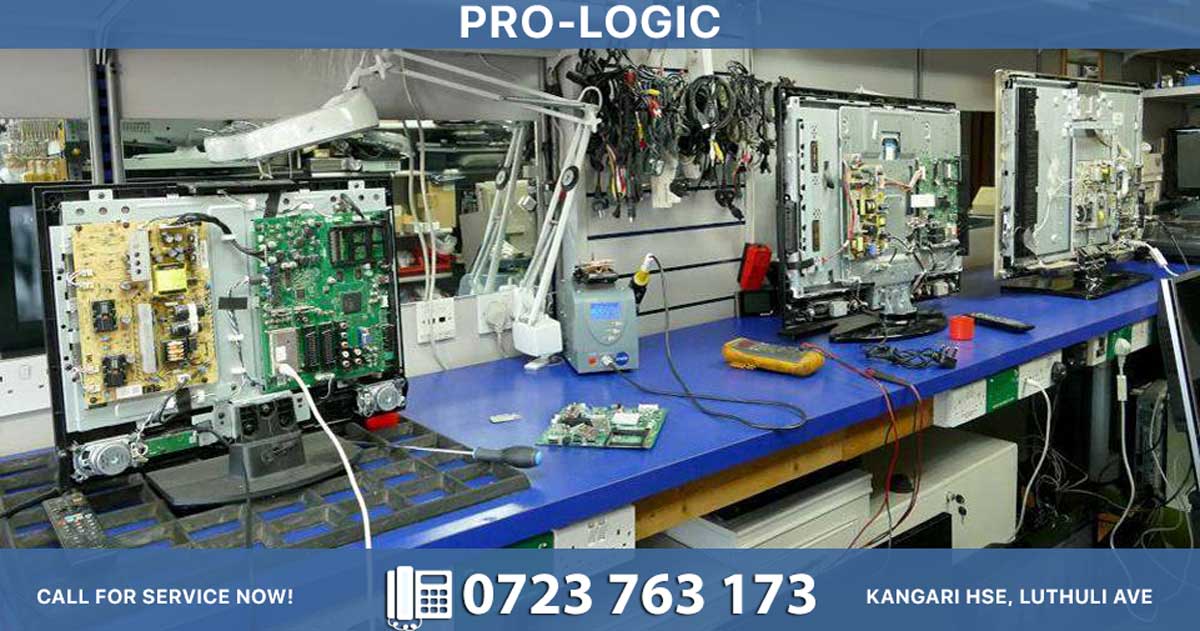
Accidents happen. A phone slips from your hand, crashes onto concrete, or suffers a power surge that fries the motherboard. When your device won’t power on, the panic sets in: Are all my photos, messages, and documents gone forever? The short answer is: not necessarily. Even with a dead motherboard, your data often remains intact on the phone’s storage chip, and specialized recovery techniques can bring it back.
Why Data Survives Motherboard Damage
Modern smartphones store data on NAND flash memory chips soldered directly to the motherboard. When the motherboard suffers damage—whether from physical impact, water exposure, or electrical failure—the storage chip itself may remain completely functional. The problem is that the phone’s processor, power regulation circuits, or boot logic are broken, preventing the device from accessing that storage.
Think of it like a computer with a broken power supply: the hard drive still contains all your files, but you can’t turn the system on to read them. The same principle applies to phones, though the recovery process is far more complex due to the device’s compact design and encrypted storage.
Immediate Steps to Take After Damage
Before attempting any recovery, follow these critical steps:
-
Stop trying to power on the device – Repeated attempts can cause further damage to the storage chip or create short circuits.
-
Remove any external storage – If your phone uses a microSD card, pull it out immediately. Data on the card can be accessed by inserting it into another device.
-
Check cloud backups – Log into iCloud, Google Photos, or other cloud services from another device. Many users unknowingly have automatic backups enabled.
-
Do not attempt DIY micro-soldering – Unless you have professional repair experience, trying to fix the motherboard yourself risks permanent data loss.
Professional Recovery Methods
1. Board Repair and Boot Restoration
The most common approach involves repairing the motherboard to a state where the phone can boot normally. A skilled technician uses micro-soldering equipment to replace damaged components like power ICs, capacitors, or the charging port. Once the board powers on and the phone boots, data can be transferred normally through USB or wireless methods.
This method works best when:
-
The storage chip is undamaged
-
Only specific components on the board failed
-
The phone isn’t heavily encrypted with hardware-bound keys
2. Chip-Off Data Recovery
When board repair is impossible or too risky, technicians use “chip-off” recovery. This involves:
-
Removing the NAND flash chip from the dead motherboard using hot air soldering equipment
-
Cleaning and reballing the chip to restore its solder connections
-
Installing the chip on a donor board or specialized reader that can interface with it
-
Extracting the raw data using forensic software designed for NAND memory
Chip-off recovery is invasive and carries risks. Modern phones use encryption keys stored in the CPU that are tied to the NAND chip. If the CPU is damaged or removed, decryption may become impossible. This method is most successful on older devices or when the CPU remains functional alongside the NAND chip.
3. CPU + NAND Reassembly (For iPhones)
Apple devices present unique challenges because the encryption key is stored in the CPU and tied to the NAND flash. Successful iPhone recovery often requires:
-
Removing both the CPU and NAND from the dead board
-
Cleaning and reballing both chips
-
Installing them on a new motherboard together
This preserves the critical relationship between the CPU and storage, allowing decryption. The process demands extreme precision and specialized equipment.
When Recovery Won’t Work
Data recovery isn’t guaranteed. Success depends on several factors:
| Factor | Impact on Recovery |
|---|---|
| Storage chip damage | If the NAND chip is physically cracked or burned, data is likely lost |
| Encryption | Modern phones use hardware encryption; if the CPU is damaged, decryption may be impossible |
| Water corrosion | Extended exposure can destroy both board and storage chip |
| Age of device | Older devices with weaker encryption have higher recovery success rates |
Cost and Time Considerations
Professional data recovery ranges from $150 to $1,000+, depending on damage severity and device type. Chip-off recovery is more expensive than board repair due to the complexity and risk. The process typically takes 2–7 days for evaluation and execution.
The Bottom Line
If your phone’s motherboard is damaged, your data isn automatically lost. The storage chip often survives, and professional technicians can extract it using board repair or chip-off techniques. However, success isn’t guaranteed, especially on modern encrypted devices. The best protection is regular backups to cloud services or external drives—because once hardware fails, recovery is expensive, uncertain, and sometimes impossible.
When facing motherboard damage, act quickly: stop powering on the device, check for backups, and consult a reputable data recovery specialist with micro-soldering expertise. Your photos, messages, and documents might still be waiting on that tiny chip inside your broken phone.